DAF Performance in Grease-Heavy Tannery Effluent
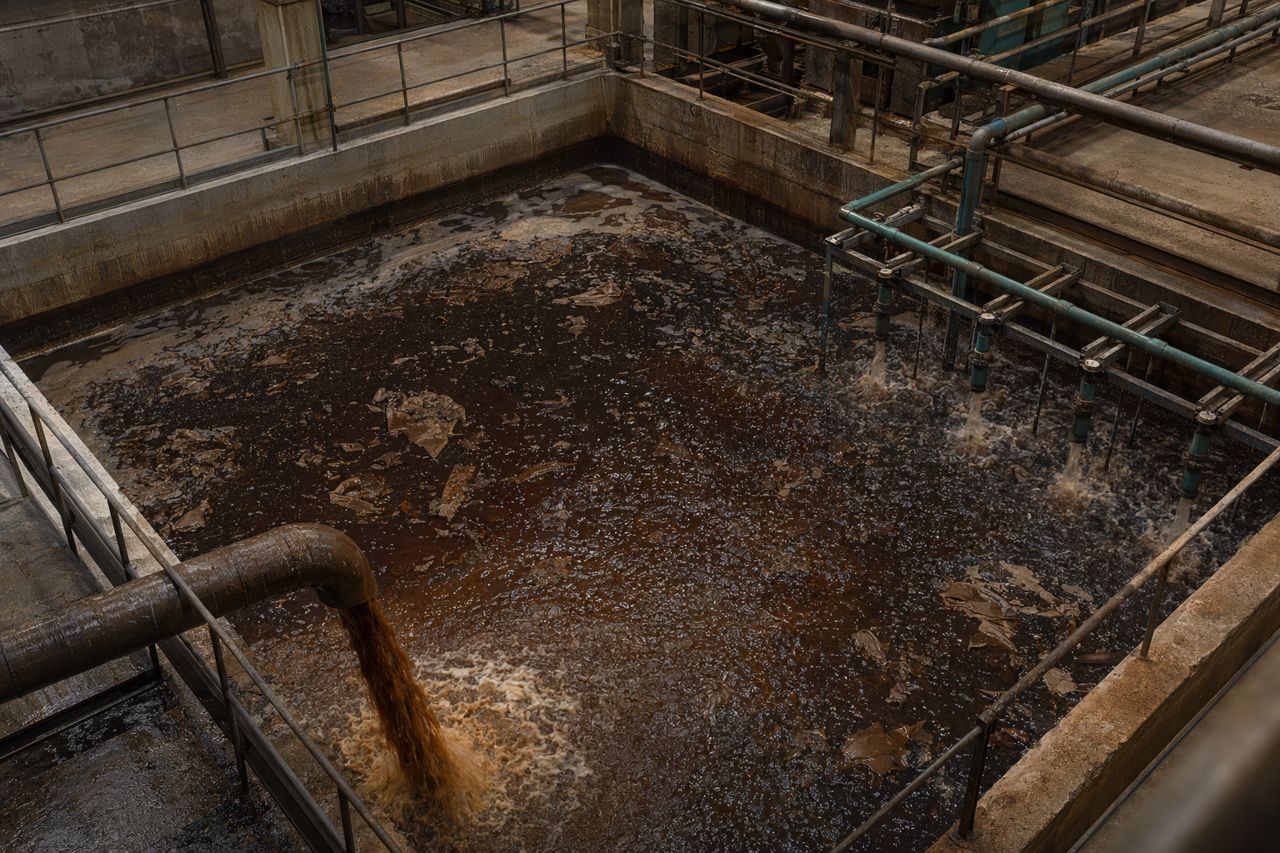
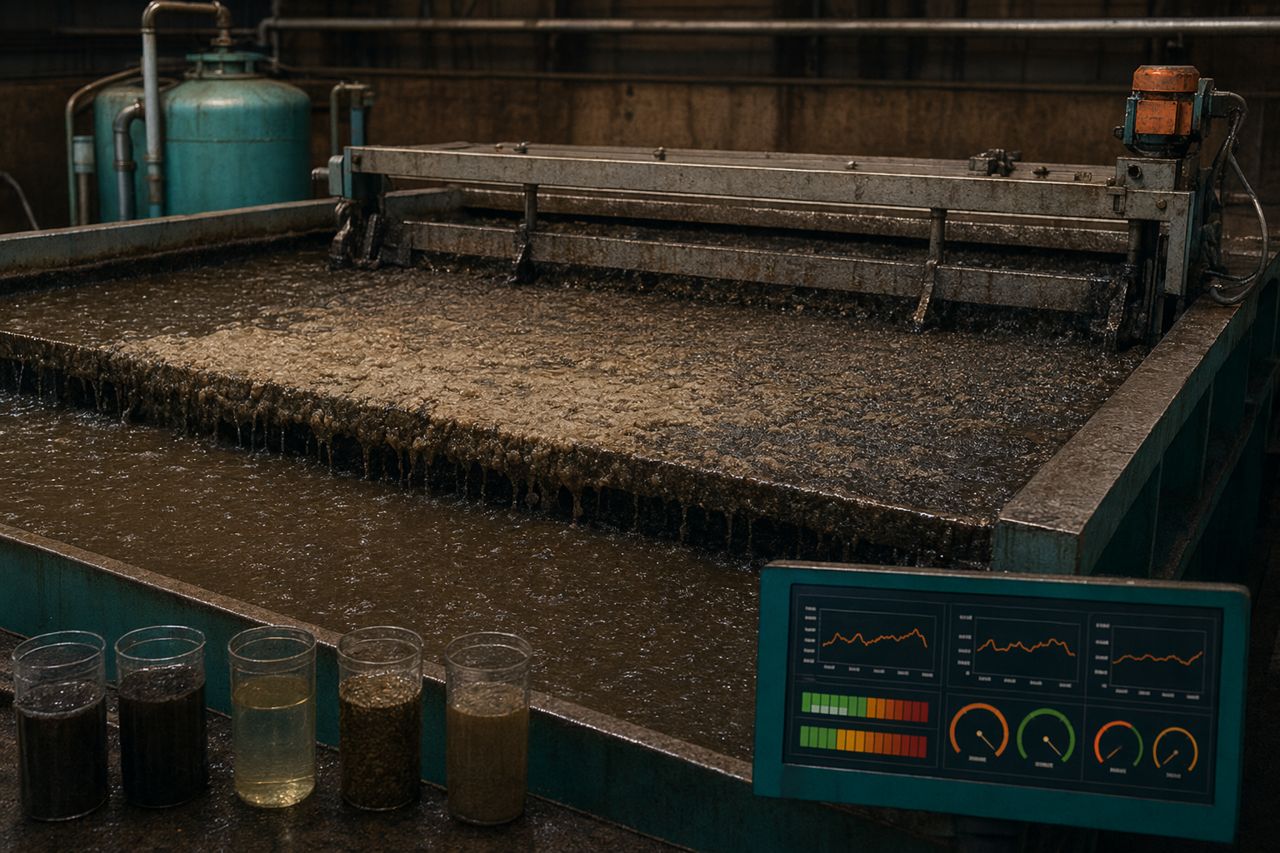
Dissolved air flotation is often the first visible test of whether a leather goods effluent treatment plant is in control.
When grease, hide protein, suspended solids, sulfide carryover, and surfactant residues arrive in shifting ratios, the DAF unit can move from clean float to collapsing blanket in a single production day. The problem is rarely one variable. It is usually the interaction between beamhouse load, equalization quality, chemistry response, and sludge behavior.
Enzymesworks supplies enzyme solutions for tannery wastewater treatment where the objective is practical: improve upstream breakdown of fat and protein load so the ETP can run with fewer flotation surprises, better sludge release, and more stable downstream biological treatment.
For environmental managers evaluating an enzyme supplier for tannery wastewater treatment, the DAF is a useful place to start the conversation—because it shows whether upstream conditioning is making the waste stream easier or harder to separate.
Why grease-heavy tannery effluent unsettles DAF operation
Leather goods production can send highly variable wastewater into equalization. Even where the final article looks refined, the process water can carry a difficult mix:
- Fleshing and trimming residues from beamhouse operations
- Natural fats, emulsified oils, and wet-end auxiliaries
- Soluble and particulate proteins
- Fine suspended hide solids
- Lime, sulfide, and alkaline carryover
- Detergents, surfactants, and dyeing-finishing residues
- Intermittent high-strength dumps from cleaning or batch changeovers
DAF performance depends on forming a floatable floc that can attach to microbubbles and rise as a stable sludge blanket. Grease-heavy tannery effluent interferes with that mechanism in several ways.
1. Emulsified fat does not behave like free oil
Free grease can often be separated mechanically. Emulsified fat is different. Surfactants, agitation, alkaline pH, and process chemicals can hold fat droplets in suspension. These droplets may pass through screens, resist coalescence, and consume coagulant without producing a firm float.
When emulsified fats remain too fine or too stable, the DAF may show:
- Thin, unstable float layers
- Greasy scum that smears instead of scraping cleanly
- High suspended solids carryover after flotation
- Downstream biological foaming or oxygen transfer stress
- Odor increase from retained organic load
2. Protein load changes floc structure
Tannery effluent is not just oily wastewater. Proteinaceous load from hide, flesh, and processing residues changes the way floc forms. Proteins can create sticky, gelatinous solids that trap water and resist compaction.
In DAF operation, that can appear as:
- Bulky sludge blanket with poor drainage
- Floc that floats briefly, then breaks apart
- Elevated polymer demand
- Sludge that blinds screens or dewatering equipment
- Irregular interface control in the flotation cell
3. Suspended solids arrive in pulses
Even with screens and equalization, suspended solids loading can vary sharply across shifts. Hide fibers, lime solids, hair fragments, and fine particulates can overload coagulation chemistry. Operators may respond by adjusting pH, coagulant, or polymer, but rapid solids variation often outpaces manual control.
The result is a DAF that looks acceptable at one hour and overloaded the next.
4. Sulfide and alkaline carryover complicate the whole train
Liming residues and sulfide-bearing streams can increase odor risk, affect pH control, and influence downstream biological stability. DAF does not solve sulfide chemistry by itself. But when fat, protein, and solids separation is unstable, more reduced organic load can reach later stages, amplifying odor and compliance risk.
What enzyme pretreatment can contribute
Enzymes are not a replacement for good screening, equalization, pH control, coagulation, or DAF maintenance. In tannery wastewater, their value is in changing the character of the load before it reaches the most sensitive separation and biological steps.
Enzymesworks enzyme programs are designed around the waste profile. In grease-heavy tannery effluent, the targets are typically fat and protein fractions that drive flotation instability and difficult sludge behavior.
Practical treatment objectives
A well-matched enzyme approach may support:
- Partial breakdown of complex fat and protein load before flotation
- More consistent DAF feed characteristics across variable production days
- Reduced formation of sticky, greasy float layers
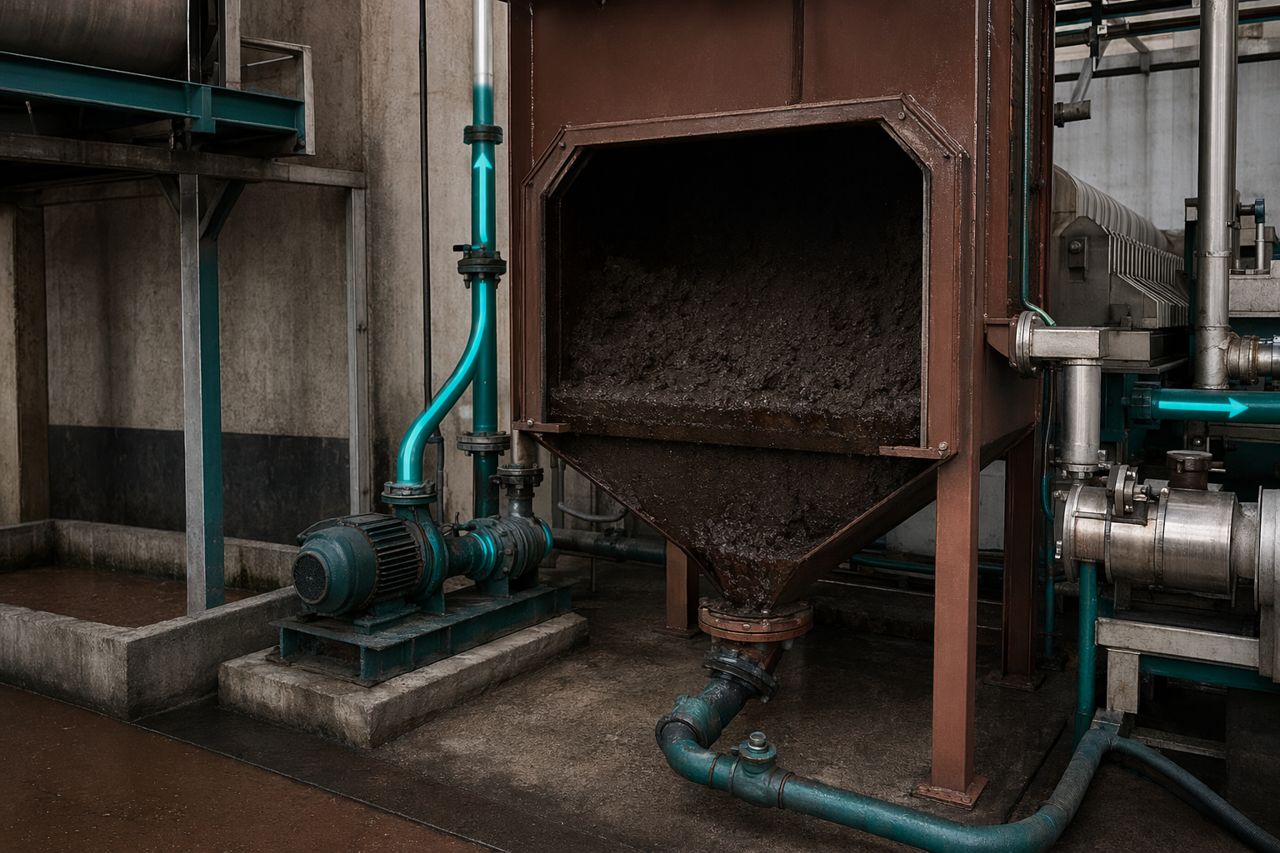
- Improved sludge release from skimmers, hoppers, and transfer lines
- Lower nuisance odor associated with retained organic residues
- Better conditions for downstream aerobic or anaerobic biological stages
- Fewer emergency chemical adjustments when the beamhouse load shifts
The operating goal is not a laboratory headline. It is a calmer ETP: steadier separation, more predictable sludge handling, and less reactive troubleshooting.
Where enzymes fit in the DAF control strategy
For tannery ETPs, enzyme dosing is usually evaluated as a pretreatment or conditioning step, not as a last-minute correction inside the DAF cell. The right location depends on plant layout, residence time, mixing, pH profile, temperature, and the pattern of high-load discharges.
Common evaluation points include:
-
Equalization tank conditioning
Useful where the plant has meaningful retention time and good mixing. This can help smooth variable fat and protein loads before chemical treatment. -
Pre-DAF reaction zone
Suitable where the plant wants tighter control close to flotation, but still needs enough contact time for conditioning to matter. -
High-load side stream treatment
Relevant when specific operations—such as fleshing, cleaning, or batch dumps—contribute disproportionate grease or protein load. -
Sludge-line support
In some sites, enzyme strategy may also consider sludge transfer, holding, or dewatering problems caused by sticky organic solids.
Enzymesworks reviews the process constraints before recommending a program. A leather goods ETP with short hydraulic retention time requires a different plan than a site with large equalization volume and predictable batch discharges.
DAF symptoms worth tracking before an enzyme trial
An evidence-led trial starts with plant observations, not assumptions. Before evaluating an enzyme supplier for tannery wastewater treatment, it is useful to document the patterns that matter to operators.
Feed and upstream indicators
- Equalization tank appearance during high-load periods
- Grease layer formation or emulsified sheen
- pH swings after liming or cleaning discharges
- Odor changes near equalization and pre-treatment
- Visible solids pulses after beamhouse activity
- Screenings character and frequency of screen cleaning
DAF operating indicators
- Float blanket thickness and stability
- Scraper performance and float release
- Greasy smear on skimmers or walls
- Clarity of DAF effluent after load changes
- Coagulant and polymer adjustment frequency
- Sludge pumpability and hopper buildup
- Operator interventions per shift
Downstream indicators
- Biological foaming tendency
- Settling changes in secondary clarification
- Odor load after pre-treatment
- Sludge dewatering consistency
- Frequency of compliance alarms or near misses
These observations help define whether the problem is mainly emulsified grease, protein solids, chemistry instability, hydraulic shock, or a combination.
What a controlled site trial should include
A tannery enzyme trial should be designed so the environmental team can make a practical decision. The trial does not need to disrupt production, but it does need enough structure to separate normal variability from treatment effect.
Enzymesworks typically recommends aligning on:
- Current ETP flow pattern and production calendar
- Key beamhouse and wet-end contributors to fat and protein load
- Existing screening, equalization, pH correction, and DAF chemistry
- DAF baseline behavior under normal and high-load days
- Sludge handling constraints, including pumping and dewatering
- Monitoring points for influent, DAF effluent, and sludge condition
- Operator feedback on odor, scum behavior, and intervention frequency
The strongest trials combine measured indicators with operator observations. In tannery ETPs, the people walking the DAF every day often see the earliest signs of improvement or failure.
What enzymes cannot fix by themselves
A credible program also defines limits. Enzymes will not correct every DAF issue.
They should not be expected to compensate for:
- Inadequate screening of gross solids
- Poor equalization mixing
- Severe hydraulic overload
- Incorrect pH window for coagulation
- Failed recycle air system or poor bubble formation
- Damaged skimmers or clogged sludge removal paths
- Uncontrolled chemical shock from cleaning dumps
If the DAF has mechanical or basic chemistry problems, those need to be addressed directly. Enzyme conditioning works best when the treatment train is fundamentally capable but challenged by variable organic load.
Why Enzymesworks starts with the waste profile
Tannery effluent is process-specific. Two leather goods plants can have similar discharge permits and very different wastewater behavior. Raw hide input, beamhouse recipe, fatliquoring chemistry, water reuse, batch scheduling, and sludge handling design all affect the result.
Enzymesworks’s role is to supply enzyme solutions that match the operational problem, not to force a generic wastewater product into a tannery system. For grease-heavy DAF issues, that means reviewing the fat-protein balance, solids pattern, sulfide and alkaline influences, retention time, and the practical limits of the existing ETP.
The commercial value is straightforward:
- Less reactive firefighting at the DAF
- More stable pre-treatment performance
- Improved sludge handling confidence
- Lower odor pressure around high-load organic residues
- Better protection for downstream biological treatment
- Fewer compliance surprises tied to production variability
Request a quote for a tannery ETP enzyme review
If your DAF performance changes with grease-heavy production days, Enzymesworks can help assess whether enzyme conditioning belongs in your treatment strategy.
Use the on-site request a quote form and include a short description of your ETP layout, DAF symptoms, main production sources, and current sludge handling constraints. Enzymesworks will respond with a practical next step for your tannery wastewater treatment application.