Protein, Fat, and Color Load in Leather Wastewater: What ETP Teams Should Track
Leather goods wastewater is rarely steady. A beamhouse-heavy day, a fatliquoring change, a color run, a cleaning discharge, or a delayed batch dump can shift the organic load before the ETP has time to respond.
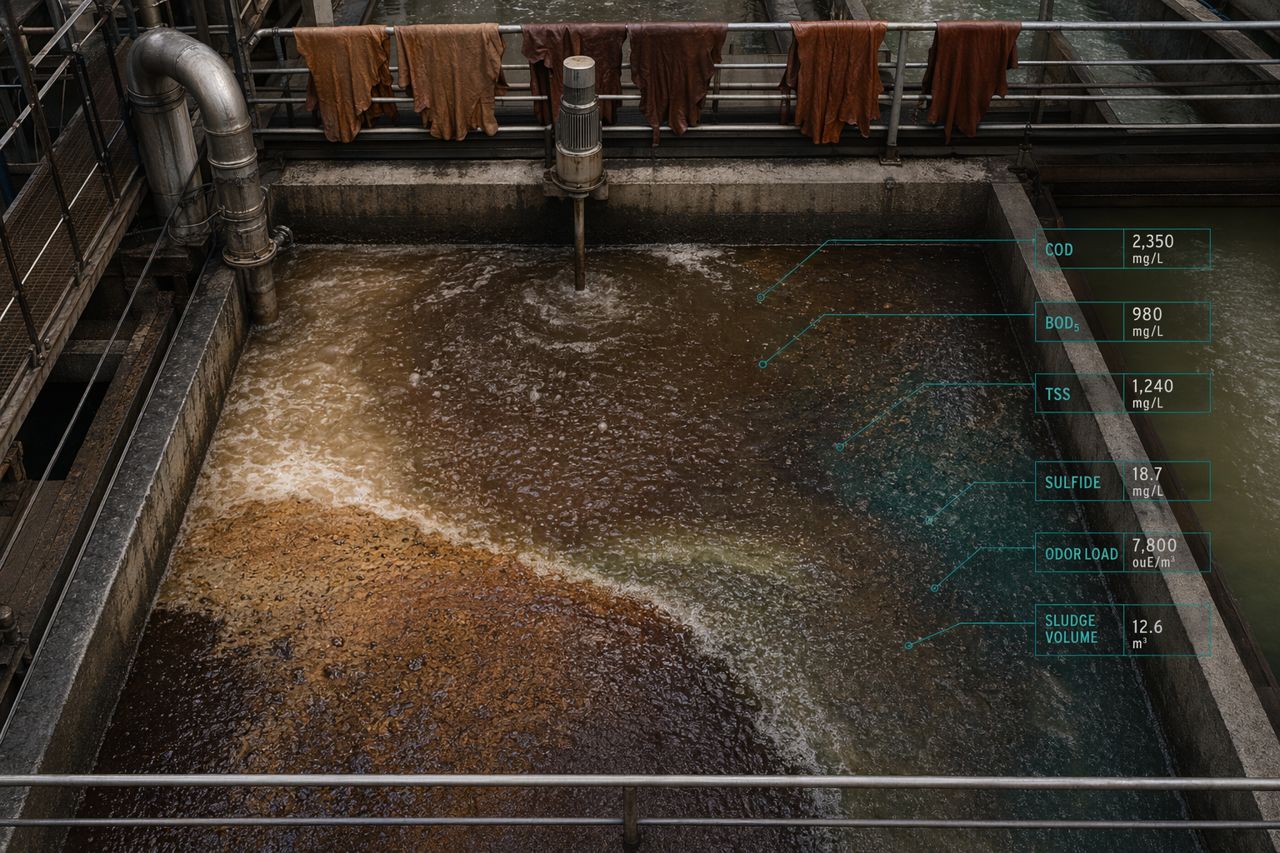
For environmental managers, the problem is not only high COD or BOD. It is variability: floating grease in equalization, protein-rich solids that turn septic, color that resists clarification, odor complaints near the ETP, and sludge that becomes harder to dewater.
Enzymesworks supplies enzyme solutions for tannery wastewater treatment with a focus on practical plant outcomes: more stable biological loading, improved breakdown of organic residues, better sludge handling, and fewer discharge surprises.
This guide walks through three recurring load categories that leather goods ETP teams should track closely: protein, fat, and color-associated organics.
Why these three loads matter
In leather goods production, wastewater can include residues from soaking, liming, fleshing, deliming, bating, pickling, retanning, dyeing, fatliquoring, finishing, and floor washdown. Each stream behaves differently in the ETP.
Protein, fat, and color load often create instability because they do not enter the plant evenly. They arrive in pulses, attach to suspended solids, interact with sulfide and lime residues, and influence how well downstream biological and clarification steps perform.
When these loads are not controlled, ETP teams may see:
- COD and BOD spikes after production changeovers
- Higher TSS carryover from equalization or primary clarification
- Odor development from protein degradation and sulfide release
- Grease layers, scum formation, and poor oxygen transfer
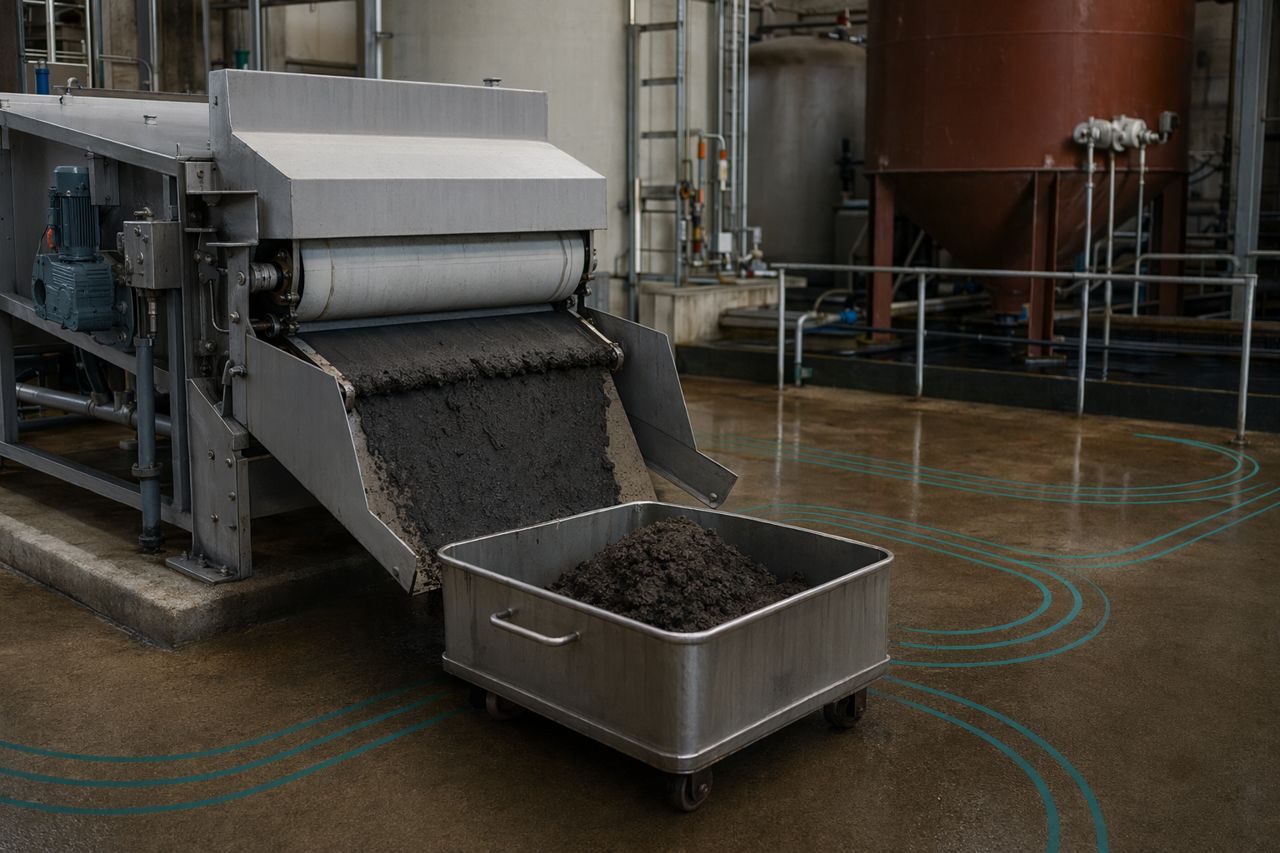
- Sludge bulking, sticky sludge, or reduced dewatering consistency
- Color persistence even when general organic reduction appears acceptable
- More corrective chemical use and less predictable compliance margins
Enzyme treatment does not replace sound ETP operation. It helps the plant convert difficult organic residues into forms that are easier to disperse, degrade, settle, or manage within the existing process.
1. Protein load: the hidden driver of odor and sludge stress
Protein-rich material can come from hide and skin residues, soaking losses, fleshing carryover, liming residues, trimming washdown, and certain beamhouse streams. Even when screening removes larger solids, fine proteinaceous material can remain suspended or colloidal.
What ETP teams should watch
Track where protein-rich waste enters the plant and when it concentrates. Key indicators include:
- Sudden BOD increases after beamhouse discharge
- Septic odor in equalization or sludge holding areas
- Foam or floating organic films
- Increased sludge production after high-solid runs
- Poor settling after protein-heavy batch dumps
- Higher ammonia load after protein breakdown
Protein can degrade rapidly under low-oxygen conditions, especially where equalization tanks have dead zones or insufficient mixing. This can increase odor pressure and create a heavier biological load downstream.
How enzyme treatment supports control
Protease-based treatment can help break down proteinaceous residues into smaller, more biodegradable fractions. In practical plant terms, this can support:
- Reduced persistence of fine protein solids
- More consistent biological feed quality
- Lower risk of septic pockets in equalization
- Improved compatibility with downstream biological treatment
- More predictable sludge behavior during load swings
For leather goods ETPs, the goal is not to chase a lab number in isolation. The goal is to reduce the operational impact of protein surges before they become odor, sludge, and compliance problems.
2. Fat load: grease, scum, and oxygen-transfer trouble
Fat and oil residues in leather wastewater may come from natural hide fat, degreasing operations, fatliquoring, finishing auxiliaries, equipment washdown, and rework streams. These materials can separate, float, emulsify, or attach to suspended solids depending on pH, temperature, surfactants, and mixing energy.
What ETP teams should watch
Fat load is often visible, but not always easy to remove. Watch for:
- Floating grease mats in equalization or primary tanks
- Scum accumulation in clarifiers
- Sticky deposits on pumps, probes, and aeration equipment
- Reduced oxygen transfer in aeration basins
- Unstable dissolved oxygen demand after fatliquoring discharge
- Greasy sludge that resists clean dewatering
A fat-heavy stream can temporarily look manageable at the inlet, then create downstream problems when emulsions break, solids float, or biological treatment becomes oxygen-limited.
How enzyme treatment supports control
Lipase-supported treatment can help hydrolyze fats and oily residues so they disperse and biodegrade more predictably. For ETP operators, this can contribute to:
- Less persistent grease and scum formation
- Improved contact between organics and biomass
- More stable aeration basin loading
- Cleaner handling of sludge with fatty residues
- Reduced housekeeping burden around tanks and transfer points
The best results usually come from placing enzyme treatment where fats are still accessible: upstream of biological treatment, in equalization, or at a controlled point before emulsified loads move deeper into the plant.
3. Color load: more than a visual discharge issue
Color in leather wastewater is often linked to dyes, retanning agents, finishing residues, auxiliaries, and organic complexes that may resist simple settling. Color can move through primary and secondary treatment if it remains soluble or finely dispersed.
For ETP teams, color is not only an appearance problem. It can indicate persistent organic fractions, variable chemical demand, and incomplete removal of complexed residues.
What ETP teams should watch
Useful operating observations include:
- Color shifts after dyehouse or retan discharge
- Poor color reduction despite acceptable settling
- Higher coagulant or flocculant demand after shade changes
- Colored supernatant from sludge handling
- Staining on tank walls, channels, or filter media
- Correlation between color peaks and COD persistence
Color load is especially important for leather goods plants running frequent shade changes, small batches, or premium finishing programs. A production schedule that changes color quickly can create more ETP variability than one long run.
How enzyme treatment supports control
Enzyme programs can support the breakdown of selected organic color-associated residues and improve overall organic load conditioning before downstream treatment. Depending on the wastewater profile, Enzymesworks may evaluate enzyme combinations that support:
- Better handling of dye-associated organic matter
- Reduced persistence of difficult soluble or colloidal fractions
- Improved compatibility with coagulation and biological treatment
- More stable response during shade and retan changes
Color treatment should be evaluated in the context of the whole ETP. pH, sulfide, chromium management, solids separation, chemical dosing, and retention time all influence what is technically and commercially realistic.
Where instability usually starts
In leather goods ETPs, treatment instability often begins before the aeration basin. The equalization tank receives changing mixtures of protein, fat, color, sulfide, lime, salt, surfactants, and cleaning residues. If this zone is poorly mixed, under-aerated, or overloaded by batch discharges, downstream units inherit the shock.
Common upstream risk points include:
- Beamhouse dumps entering too quickly
- Fatliquor and dye residues arriving close together
- High-pH liming residues meeting acidic streams without control
- Screen bypass or poor solids capture during peak flow
- Sludge return or filtrate streams recycled without load awareness
- Cleaning chemicals discharged during low-flow periods
An enzyme supplier for tannery wastewater treatment should understand these operating realities. A program that works on a clean composite sample may not hold up when the plant faces real shift-to-shift variability.
A practical tracking checklist for ETP teams
Use this checklist to connect production activity with ETP response.
At production or collection points
- Which process step is discharging?
- Is the stream beamhouse-heavy, dyehouse-heavy, fatliquor-heavy, or washdown-heavy?
- Are batch dumps staggered or simultaneous?
- Are high-fat or high-color streams being sent without pre-holding?
- Are screens and traps performing during peak solids release?
In equalization
- Is mixing preventing dead zones and floating mats?
- Is odor increasing during specific production windows?
- Are pH and sulfide trends linked to certain discharges?
- Is there visible grease, foam, or colored stratification?
- Does the tank buffer load or simply pass shocks downstream?
In biological treatment
- Do aeration demand and dissolved oxygen swings follow production patterns?
- Are fats or fine solids reducing oxygen transfer?
- Does biomass settle consistently after beamhouse-heavy days?
- Are color peaks passing through with limited change?
- Does sludge age remain appropriate for the actual organic load?
In sludge handling
- Is sludge greasy, septic, sticky, or difficult to dewater?
- Does sludge volume increase after protein-heavy discharges?
- Is filtrate or centrate returning a meaningful organic load?
- Are odors strongest at thickening, storage, or dewatering?
How Enzymesworks approaches enzyme selection
Enzymesworks evaluates tannery wastewater through an operational lens. The right enzyme program depends on the dominant load pattern, ETP layout, temperature range, pH profile, retention time, mixing, and the treatment objective.
A typical technical discussion may cover:
- Production process map and wastewater segregation
- Beamhouse, dyehouse, fatliquor, and finishing discharge timing
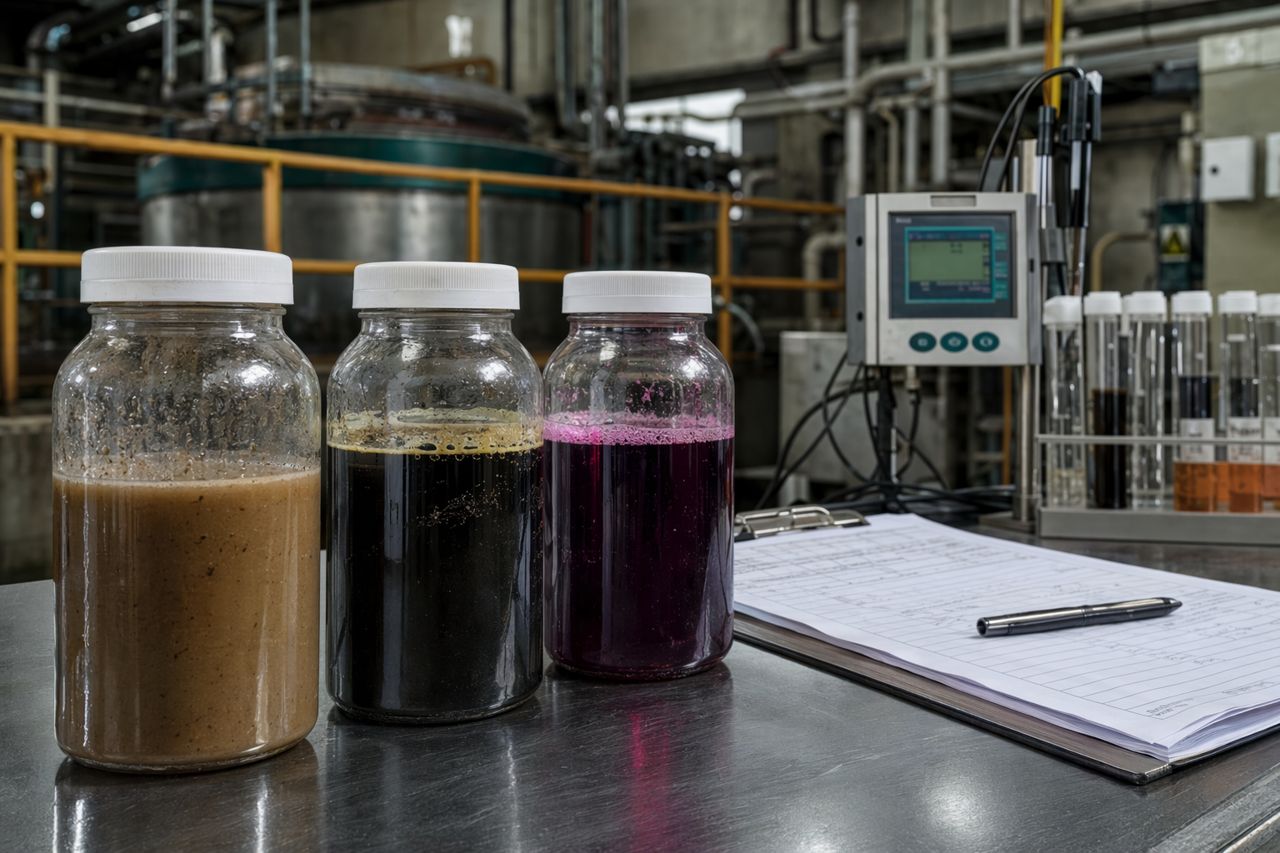
- COD, BOD, TSS, sulfide, oil and grease, color, pH, and sludge trends
- Equalization volume, mixing, and retention time
- Biological process type and operating constraints
- Clarification and sludge dewatering performance
- Compliance limits and recurring risk points
From there, Enzymesworks can recommend an enzyme direction focused on protein breakdown, fat hydrolysis, organic load conditioning, color-associated residue support, or a combined program.
What good evaluation looks like
For a leather goods ETP, enzyme evaluation should be tied to plant outcomes, not vague claims. Useful evaluation targets include:
- More stable COD and BOD loading into biological treatment
- Reduced grease/scum persistence in equalization or clarification
- Lower odor pressure from septic protein-rich residues
- Improved sludge settling or dewatering consistency
- Reduced visible carryover of difficult organic fractions
- Better resilience during beamhouse, dyehouse, and fatliquor load swings
A controlled trial should define the dosing point, operating window, baseline conditions, and success criteria before implementation. Production schedule changes should also be recorded, because tannery wastewater is strongly influenced by what happened upstream that day.
When to consider an enzyme program
It may be time to evaluate enzymes if your leather goods ETP is facing:
- Repeated COD or BOD excursions after specific production runs
- Persistent grease, scum, or floating solids
- Odor complaints near equalization, sludge storage, or dewatering
- Sludge that changes character from week to week
- Color carryover that increases chemical pressure
- Biological treatment instability after beamhouse or fatliquor discharge
- A need to improve treatment stability without major civil modification
Talk to Enzymesworks
If protein, fat, and color load are creating instability in your leather wastewater treatment plant, Enzymesworks can help you assess where enzyme treatment may fit.
Share your ETP layout, wastewater profile, and recurring operating issues. We will review the load pattern and recommend a practical enzyme direction for your plant conditions.
Request a quote for a tannery wastewater enzyme program tailored to your ETP.