Sludge Handling Costs in Leather Effluent Treatment Plants
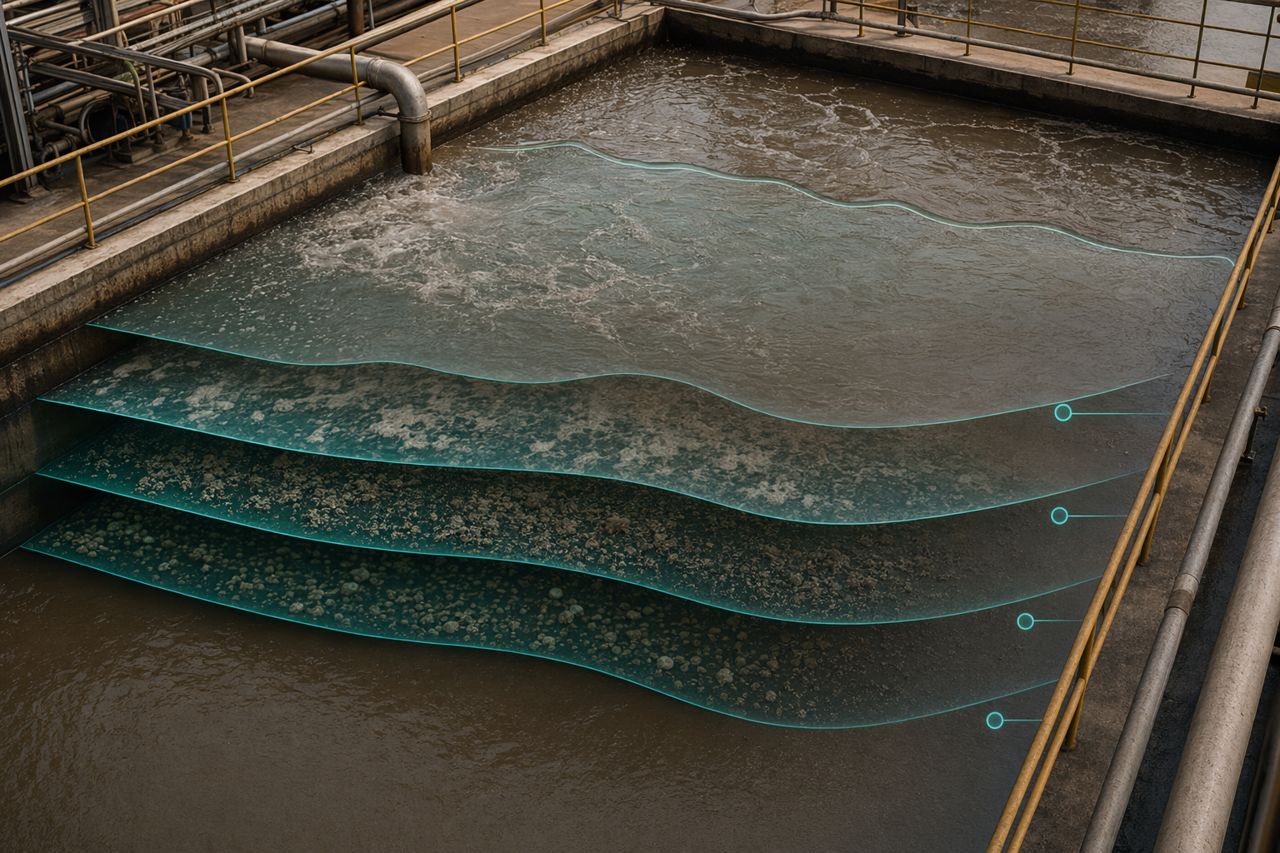
In a leather goods effluent treatment plant, sludge cost is rarely just a filter press issue. It starts upstream, where beamhouse variability, fat and protein residues, liming chemistry, fleshing fines, and suspended solids enter the ETP as a shifting organic load.
When those loads are not conditioned early enough, they move through equalization, primary treatment, biological treatment, and dewatering as higher sludge volume, weaker cake structure, stronger odor, and more disposal pressure.
Enzymesworks works as an enzyme supplier for tannery wastewater treatment with a practical focus: helping ETP teams manage organic load before it becomes a recurring sludge-handling problem.
Why sludge becomes expensive in leather effluent treatment
Sludge costs build across several operating points, not only at final disposal.
Common cost drivers include:
- Higher primary and biological sludge generation from protein-rich and fat-rich influent
- Poor settling from emulsified grease, hair fragments, lime residues, and fine suspended solids
- More polymer demand when flocs are weak or inconsistent
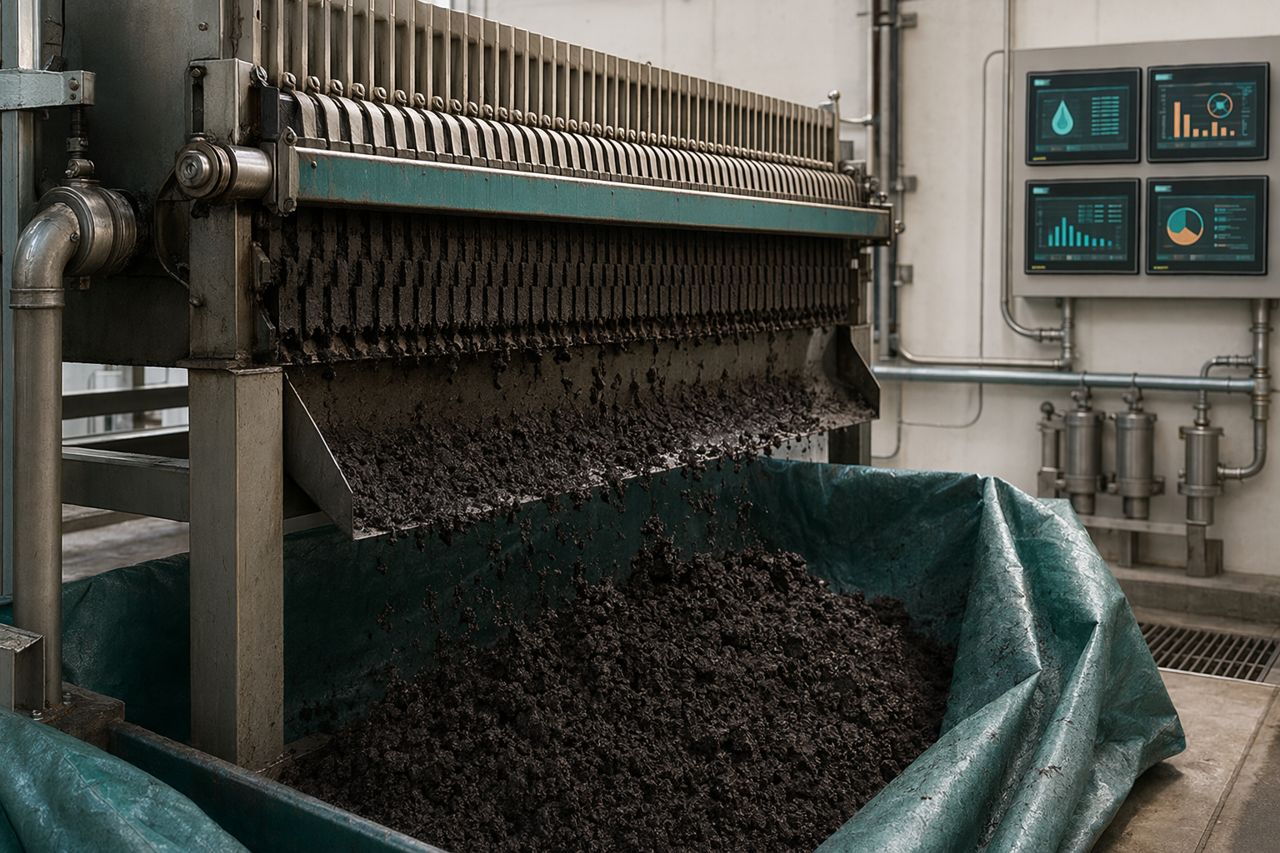
- Longer dewatering cycles and wetter cake discharge
- Odor complaints from sulfide-bearing or septic sludge zones
- Higher hauling frequency because sludge volume rises faster than plant capacity
- Greater compliance risk when solids carry through into treated discharge
For environmental managers, the issue is not only total sludge. It is sludge behavior: how it settles, thickens, dewaters, stores, and leaves site.
The upstream load behind the sludge line
Leather goods effluent is not a uniform wastewater stream. A stable ETP may still face daily changes from soaking, liming, deliming, bating, degreasing, dyehouse carryover, washing, and finishing-related residues.
The sludge line feels those changes quickly.
Protein load
Collagen fragments, hair residues, soluble proteins, and beamhouse carryover can raise organic load and increase biological sludge yield. If hydrolysis and breakdown are uneven, the plant may see unstable settling, foam, and elevated odor potential.
Fat and grease load
Natural fats, degreasing residues, and emulsified oils can coat solids, reduce floc strength, and interfere with gravity separation. In dewatering, grease-heavy sludge can blind cloth, slow drainage, and produce a softer cake.
Lime and sulfide residues
Liming residues affect pH control, sulfide release risk, and sludge odor. If sulfide-bearing zones become stagnant, odor can become a plant-management issue as much as a treatment issue.
Fine suspended solids
Fleshing fines, hair fragments, pigments, and fine tannery solids increase TSS load. When these fines do not aggregate well, they can carry through clarifiers or add to chemical demand.
Where enzymes can support sludge control
Enzymes are not a substitute for correct ETP design, equalization, pH control, dissolved oxygen management, or chemical dosing discipline. They are a targeted process aid for organic breakdown and load conditioning.
In tannery wastewater treatment, enzyme programs are commonly evaluated for their ability to help:
- Break down proteinaceous residues before they overload downstream biology
- Improve fat and grease degradation so solids separate more predictably
- Reduce septic organic pockets that contribute to odor
- Improve consistency in equalization and biological feed conditions
- Support more stable sludge formation and dewatering behavior
- Lower the operational shock from high-load beamhouse days
The practical goal is not to make sludge disappear. It is to reduce avoidable sludge burden, stabilize the sludge line, and help the ETP operate with fewer surprises.
What environmental managers should measure before changing treatment chemistry
Before trialing any enzyme program, the plant should define its sludge-handling baseline. This prevents vague claims and keeps the trial tied to buyer value.
Useful baseline indicators include:
- Daily sludge volume from primary and secondary stages
- Sludge moisture trend after dewatering
- Cake release behavior at the filter press, centrifuge, or belt press
- Polymer consumption trend
- Hauling frequency and disposal cost per production cycle
- Odor incidents near equalization, primary sludge, and sludge storage
- COD, BOD, TSS, sulfide, oil and grease trends across key treatment stages
- Variability between beamhouse-heavy and finishing-heavy production days
This baseline helps the ETP team separate true process improvement from normal production variation.
Where to apply enzyme support in the ETP
Application point depends on the plant layout, influent profile, retention time, and target problem. For leather goods effluent, enzyme treatment is commonly considered around:
Equalization tanks
Equalization is often the best diagnostic point because it receives mixed tannery load before primary treatment. Enzyme conditioning here can help reduce sharp organic-load swings and improve feed consistency into downstream stages.
Grease-heavy or protein-heavy side streams
Some plants benefit from treating concentrated streams before they dilute into the main ETP. This can be useful when degreasing, liming, or beamhouse discharge creates predictable load spikes.
Biological treatment feed
When the biological system is sensitive to shock load, enzyme support may be evaluated upstream of aeration to help condition organic matter before it reaches the biomass.
Sludge holding zones
In selected cases, odor and sludge storage behavior are key concerns. Enzyme use may be assessed as part of a broader sludge management plan, especially where septic sludge pockets are common.
Commercial value: fewer hidden costs in the sludge line
Sludge-handling cost is often underreported because it is split across operations, maintenance, transport, disposal, chemicals, labor, and compliance management.
A controlled enzyme program can be commercially relevant when it helps the plant move toward:
- More predictable settling and thickening
- Less emergency adjustment after high-load production days
- Reduced odor escalation from organic residues
- Lower dewatering friction and fewer wet-cake complaints
- Better control over disposal scheduling
- More stable discharge performance during tannery production variability
For a leather goods facility, that stability matters. Compliance failures, odor complaints, blocked dewatering equipment, and unplanned sludge hauling all consume management time.
How Enzymesworks approaches tannery ETP trials
Enzymesworks does not treat leather effluent as generic wastewater. A tannery ETP has its own load pattern, chemistry, and operating constraints.
Our technical discussion usually starts with:
- Process map: beamhouse, wet-end, finishing, and ETP flow connections
- Influent profile: organic load, TSS, oil and grease, sulfide, pH movement, and production variability
- Sludge-line symptoms: volume, moisture, odor, press behavior, and disposal pressure
- Existing treatment program: coagulants, polymers, biological operating conditions, and pain points
- Trial objective: sludge reduction, dewatering improvement, odor control, or load stabilization
- Measurement plan: before-and-after indicators that the plant already tracks
This keeps the conversation grounded in plant evidence rather than generic enzyme claims.
When sludge cost signals a bigger process issue
Rising sludge cost may point to problems outside the sludge area. If the plant sees repeated filter press delays, poor cake release, high odor load, and TSS carryover at the same time, the root cause may be upstream conditioning rather than dewatering equipment alone.
Likewise, if sludge volume rises after specific production schedules, the ETP may need a treatment approach that accounts for beamhouse-heavy days, fat-rich streams, or inconsistent equalization.
The right enzyme program should be evaluated against those real operating patterns.
Request a quote for tannery wastewater enzyme support
If your leather goods ETP is dealing with rising sludge volume, difficult dewatering, grease-heavy influent, protein load, sulfide odor, or unstable discharge performance, Enzymesworks can review your process conditions and recommend an enzyme supply approach for trial evaluation.
Use the on-site form to request a quote. Share your plant flow, main effluent sources, sludge-handling symptoms, and current treatment constraints so the response can be specific to your ETP.