Water Reuse Pressure in Leather Goods Factories
Leather goods factories are under growing pressure to reduce freshwater intake, stabilize discharge, and prepare treated water for internal reuse. For many plants, the conversation starts with polishing equipment. In practice, reuse readiness starts much earlier: in segregation, equalization, primary treatment, and the way beamhouse and wet-end variability is handled before it reaches the biological system.
Enzymesworks works as an enzyme supplier for tannery wastewater treatment with a focus on the front-end organic load that makes leather effluent difficult to control: proteinaceous matter, residual fats, emulsified oils, liming carryover, sulfide-related odor potential, suspended solids, and sludge that resists dewatering.
Reuse targets expose weak pretreatment
When discharge is the only objective, an effluent treatment plant can sometimes absorb variability with extra aeration, chemical correction, and operator attention. Water reuse is less forgiving.
Reuse loops, filtration, softening, membrane polishing, and process-water return all require a more stable upstream profile. If the pretreatment train sends irregular fat, protein, sulfide, and fine solids into downstream stages, the plant sees familiar symptoms:
- Sudden chemical demand in coagulation and flotation
- Unstable biological loading after beamhouse peaks
- Odor release in equalization, sludge holding, or primary treatment
- Greasy scum and floating solids that disrupt separation
- Wet, high-organic sludge that is harder to thicken and dewater
- Faster fouling in tertiary filters or membrane polishing steps
- Compliance risk when production mix changes from one article type to another
Leather goods production adds another layer of variability. Different hides, splitting, wet-blue input, retanning recipes, fatliquor systems, dyeing intensity, and finishing preparation can all shift the effluent profile without warning.
The practical reuse question: can the front end stay controlled?
Before investing in reuse hardware, environmental managers usually need evidence that the existing treatment train can deliver steadier feed quality. That means looking beyond final discharge and asking how each upstream stage behaves.
Key review points include:
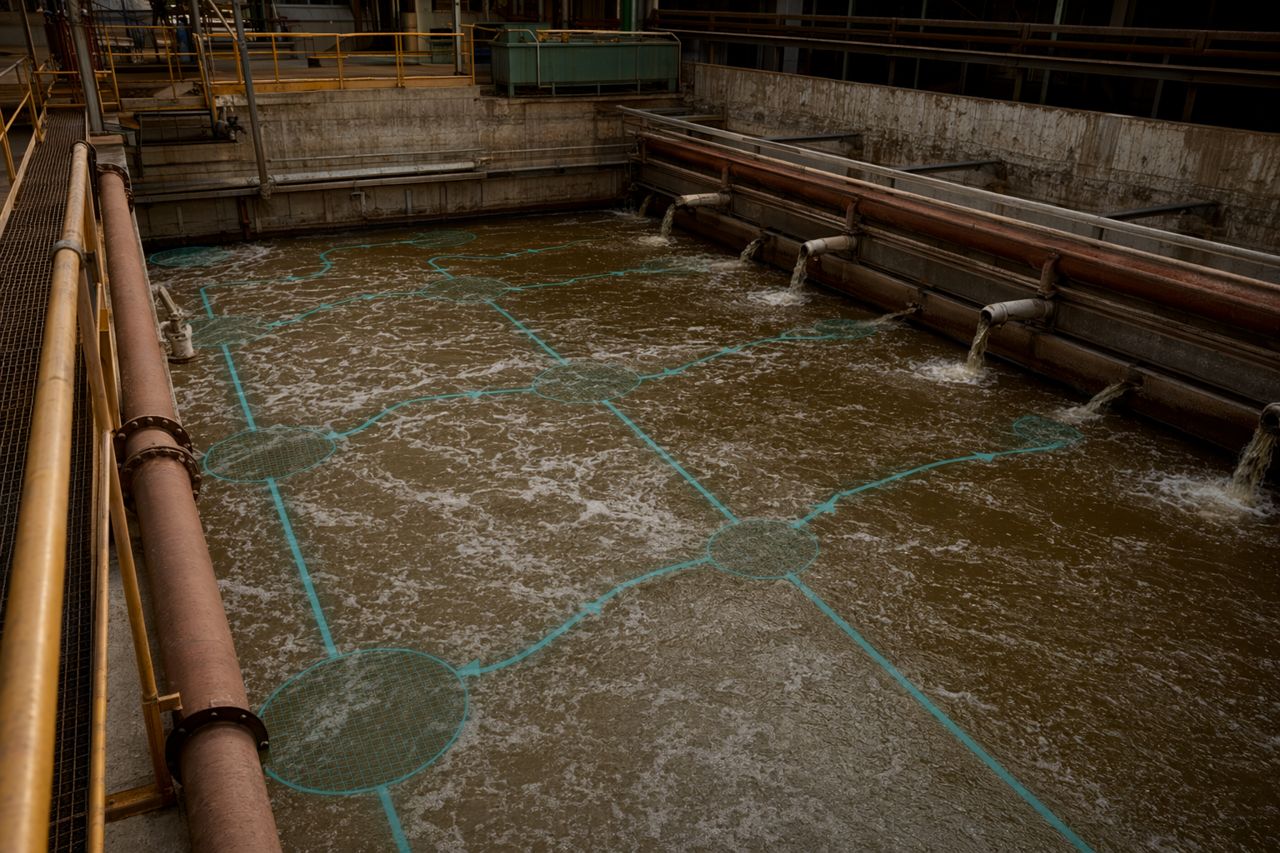
Equalization performance
Equalization is not just a holding volume. It is where mixed tannery streams begin to change physically and biologically. Poor mixing, dead zones, high grease load, and sulfide carryover can create odor, surface crusting, and uneven feed to primary treatment.
Primary separation
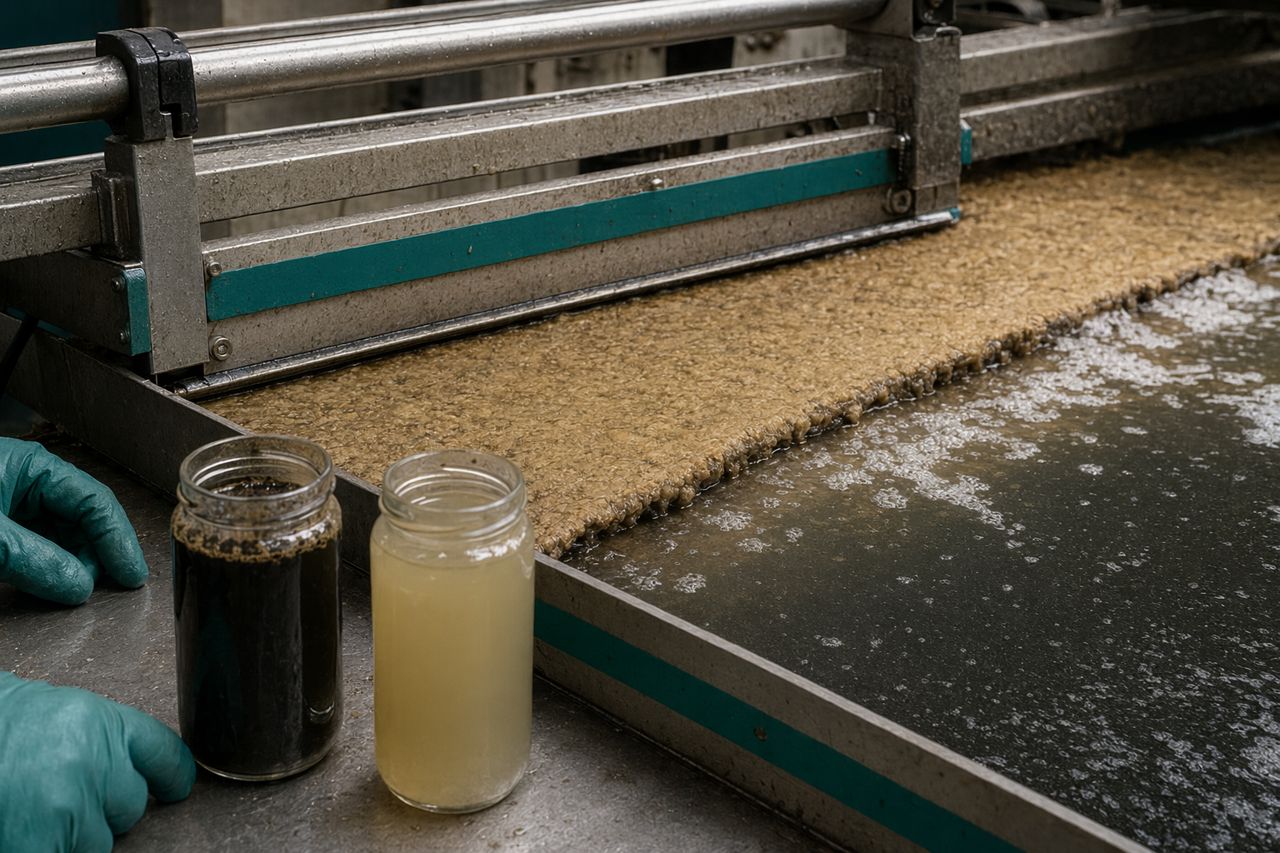
Coagulation, flocculation, dissolved air flotation, and primary clarification are often asked to remove a moving target. Protein fragments, emulsified fat, hair residues, liming residues, and fine suspended solids do not always separate cleanly. When separation is inconsistent, more load moves downstream.
Biological resilience
Biological systems can manage organic load, but they dislike shock. Sudden changes in fat and protein load, pH correction demand, sulfide influence, salinity, and inhibitory residues can reduce stability. Reuse pressure raises the cost of those upsets because poor biological performance increases the burden on polishing.
Sludge handling
Water reuse projects often underestimate sludge. If pretreatment generates bulky or wet sludge, the plant may solve one water problem while creating a disposal, hauling, or housekeeping problem. Better sludge behavior is part of reuse readiness.
Where enzyme treatment fits
Enzyme solutions are not a replacement for segregation, pH control, mixing, chemical treatment, aeration, or sludge management. They are a targeted process aid for specific organic fractions that create operational friction.
In tannery wastewater pretreatment, Enzymesworks enzyme blends can be evaluated for:
- Improving the breakdown of proteinaceous residues before separation or biological treatment
- Supporting fat and grease conditioning where emulsified load affects flotation and sludge quality
- Reducing the tendency for organic deposits, scum layers, and odor-prone stagnant zones
- Making upstream load more consistent before biological treatment and polishing
- Helping plants prepare for tighter filtration or reuse targets without overloading downstream assets
The exact fit depends on the plant layout, stream segregation, contact time, temperature range, pH window, equalization design, and operating constraints. Enzymesworks evaluates those conditions before recommending a treatment approach.
Evidence that matters to an environmental manager
Reuse pressure is operational, not theoretical. A useful enzyme trial should be measured against plant-level outcomes, not generic claims.
For tannery effluent treatment plants, Enzymesworks focuses on practical indicators such as:
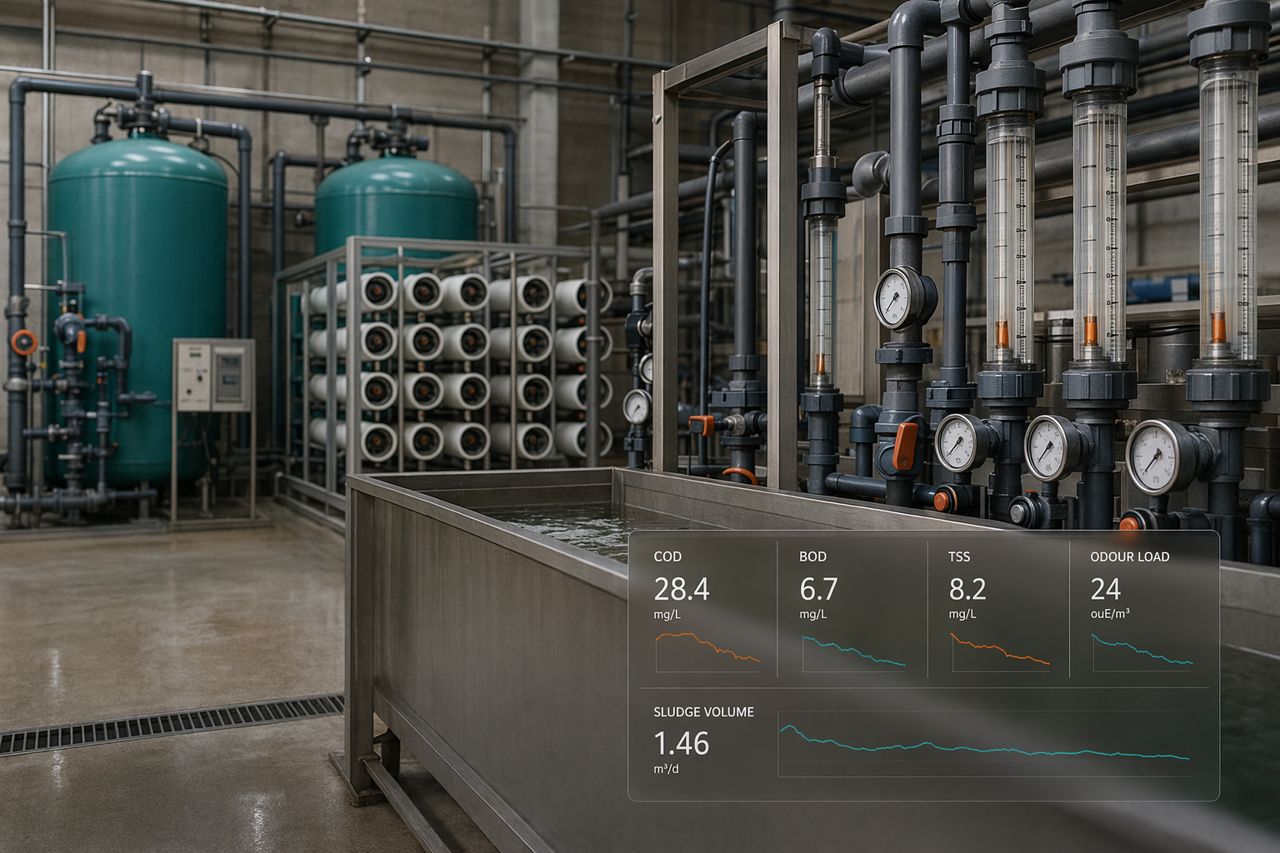
- Trend movement in chemical oxygen demand and biochemical oxygen demand
- Total suspended solids behavior before and after primary separation
- Oil, grease, and floating scum observations
- Sulfide-related odor complaints and high-risk zones
- Sludge volume, thickening behavior, and dewatering response
- Stability of biological treatment after production changes
- Polishing filter run length, cleaning frequency, or fouling tendency
- Operator observations from equalization, flotation, sludge holding, and final polishing
This evidence-led approach helps separate genuine process value from normal day-to-day variation.
Why leather goods factories feel the pressure now
Several drivers are converging at once:
- Water availability is becoming a production constraint. In many manufacturing zones, water allocation, seasonal shortages, and local discharge restrictions are tightening.
- Brands and buyers are asking for stronger environmental data. Leather goods supply chains increasingly expect credible water and wastewater performance, not just end-of-pipe compliance.
- Discharge permits are less tolerant of variability. A few poor operating days can create reporting issues, odor complaints, or corrective action pressure.
- Reuse equipment needs cleaner, steadier feed. Filters and membrane systems punish poor pretreatment with fouling, cleaning downtime, and higher operating cost.
- Sludge costs keep rising. High-moisture, high-organic sludge affects disposal cost, site housekeeping, and regulatory exposure.
For a leather goods factory, better pretreatment is not only about meeting today’s discharge point. It is about making the whole water loop more predictable.
A plant-literate route to enzyme selection
Enzymesworks does not begin with a one-size dosing claim. The right enzyme program should match the plant’s wastewater profile and operating reality.
A typical technical review considers:
- Beamhouse, wet-end, and finishing-related stream contribution
- Whether high-strength streams are segregated or blended
- Equalization tank volume, mixing, retention, and odor history
- Current chemical treatment program and flotation performance
- Biological system type, load pattern, and upset history
- Sludge thickening, dewatering, and disposal constraints
- Planned reuse targets and polishing equipment sensitivity
- Available dosing point, contact window, and operator workflow
From there, Enzymesworks can recommend a site-fit enzyme approach for plant trial, monitoring, and scale-up.
What better reuse readiness can look like
When enzyme treatment is correctly matched to the effluent profile, the plant may see benefits in the areas that matter most to reuse preparation:
- More consistent pretreatment behavior during production mix changes
- Reduced organic carryover into biological stages
- Improved handling of fat and protein-rich load
- Lower odor intensity in high-risk process zones
- Cleaner separation and less troublesome sludge characteristics
- More stable feed into tertiary polishing
- Better confidence when discussing reuse, audit, and compliance targets
Results depend on the wastewater composition, equipment condition, and process control discipline. Enzymesworks’s role is to support a controlled evaluation that gives the environmental manager usable plant data.
Request a quote for tannery wastewater enzyme support
If your leather goods factory is preparing for internal reuse, tighter discharge limits, or more stable effluent treatment, Enzymesworks can review your process conditions and recommend an enzyme solution for evaluation.
Use the on-site request a quote form and include your main treatment pain points, current process stages, and reuse objective. A Enzymesworks specialist will respond with a practical supply and trial pathway built around your plant constraints.